

NAA Update: Next‑generation EV manufacturing is ramping up, with a strong pipeline of new model launches throughout 2026
The good news is that electrified vehicles (battery electric, plug-in hybrid and hybrid) accounted for over 40% of all vehicles built in the UK in January, but a number of challenges remain, including that the industry is facing energy costs that are 80% higher than they were in 2021.
Welcome to this month’s newsletter, and I hope you are all keeping well.
I want to start this month with an update on UK vehicle manufacturing, which began 2026 facing notable short‑term pressures, with January and February output declining due to weak global demand, commercial vehicle plant restructuring and model changeovers. Despite this, the sector’s international reach remains a core strength, with more than three quarters of output made for export, underscoring the UK’s continued global competitiveness even in challenging conditions.
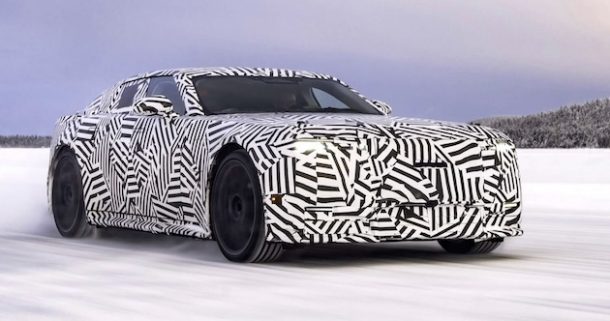
Electrified vehicles remain central to the sector’s long‑term growth. Although EV production fell by -10.2% in January, they still accounted for 40% of all vehicles built – evidence of sustained structural momentum. The medium‑term outlook is buoyed by next‑generation EV manufacturing ramping up and a strong pipeline of new model launches throughout 2026. Key cost metrics illustrate the challenge: battery prices are around 30% higher than forecast in 2021, industrial energy costs are 80% higher, EVs remain 17% more expensive than ICE equivalents, and public charging costs have risen more than 120%. Manufacturers have absorbed over £10bn in discounts to stimulate demand – an extraordinary intervention that demonstrates commitment to the transition.
The heavy vehicle sector shows some promise despite slow early‑stage adoption. More than 40 zero‑emission HGV models are now available, although uptake reached only 1.4% of 2025 registrations. Operators still face barriers around payload, range, residual values and depot charging infrastructure, but progress is being made and long‑term government funding for ZEV vans and trucks provides a strong foundation.
Trade policy remains a critical enabler. Proposed EU “Made in Europe” rules could disadvantage UK-built vehicles in a market worth nearly £70bn annually, but constructive alignment would unlock competitiveness and consumer affordability on both sides of the Channel.
With coordinated policy, competitive energy costs and strengthened trading relationships, the UK automotive sector is well positioned to convert today’s pressures into renewed investment, export growth and global leadership in zero‑emission mobility.
Moving on to the membership side, we would like to welcome two new members:
Astra Vehicle Technologies – a Deeside-based commercial vehicle engineering company specialising in all types of chassis conversion and modification services, along with the design and supply of specialist exhaust systems and emission control products.
PSL Print Management – part of the Hague Group of Companies – a market-leading print management company and label specialist.
We are looking forward to working with both of these new members and welcoming them to our ongoing networking event programme during the course of this year.
Paul Jones
NAA CEO